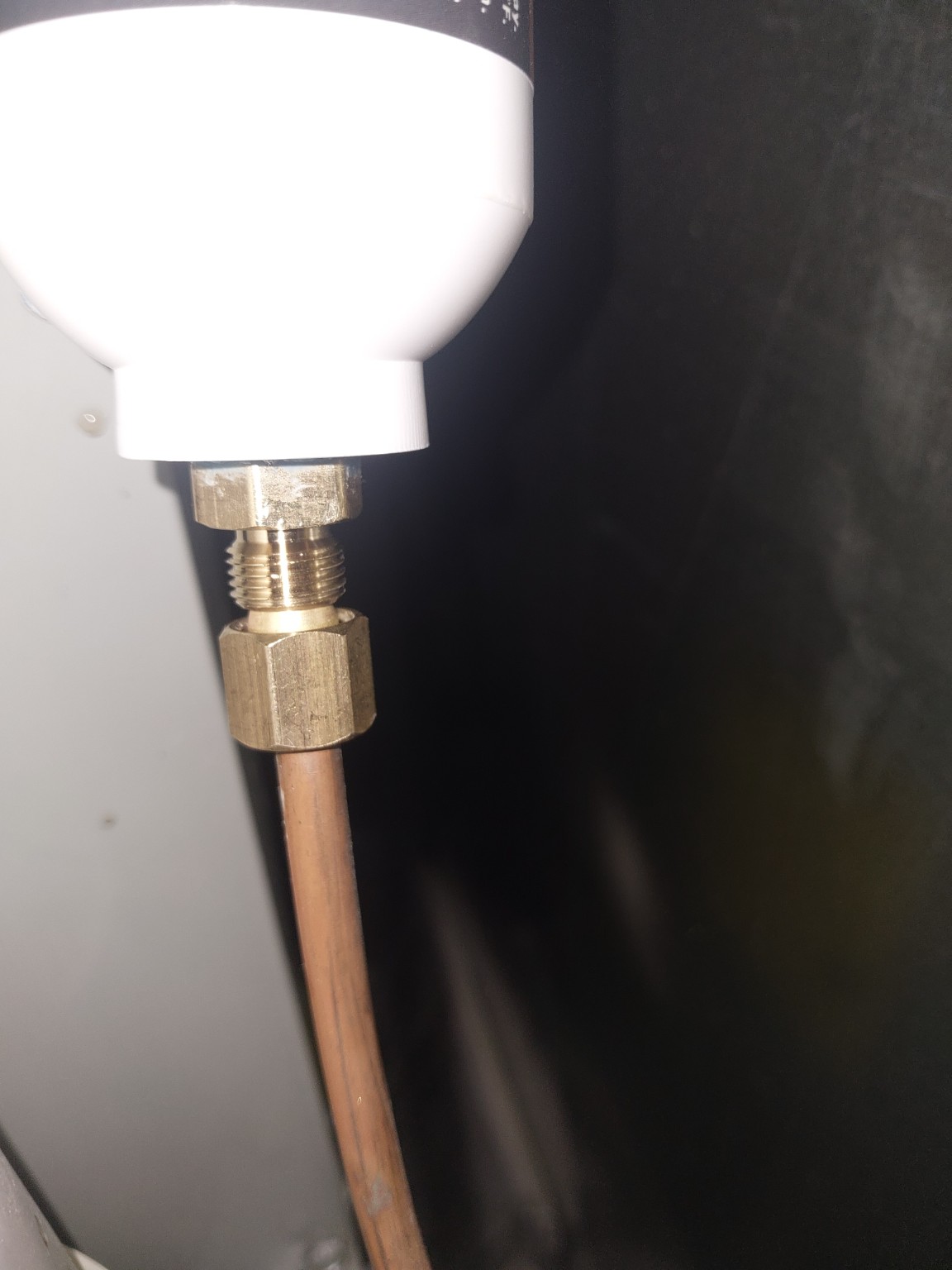
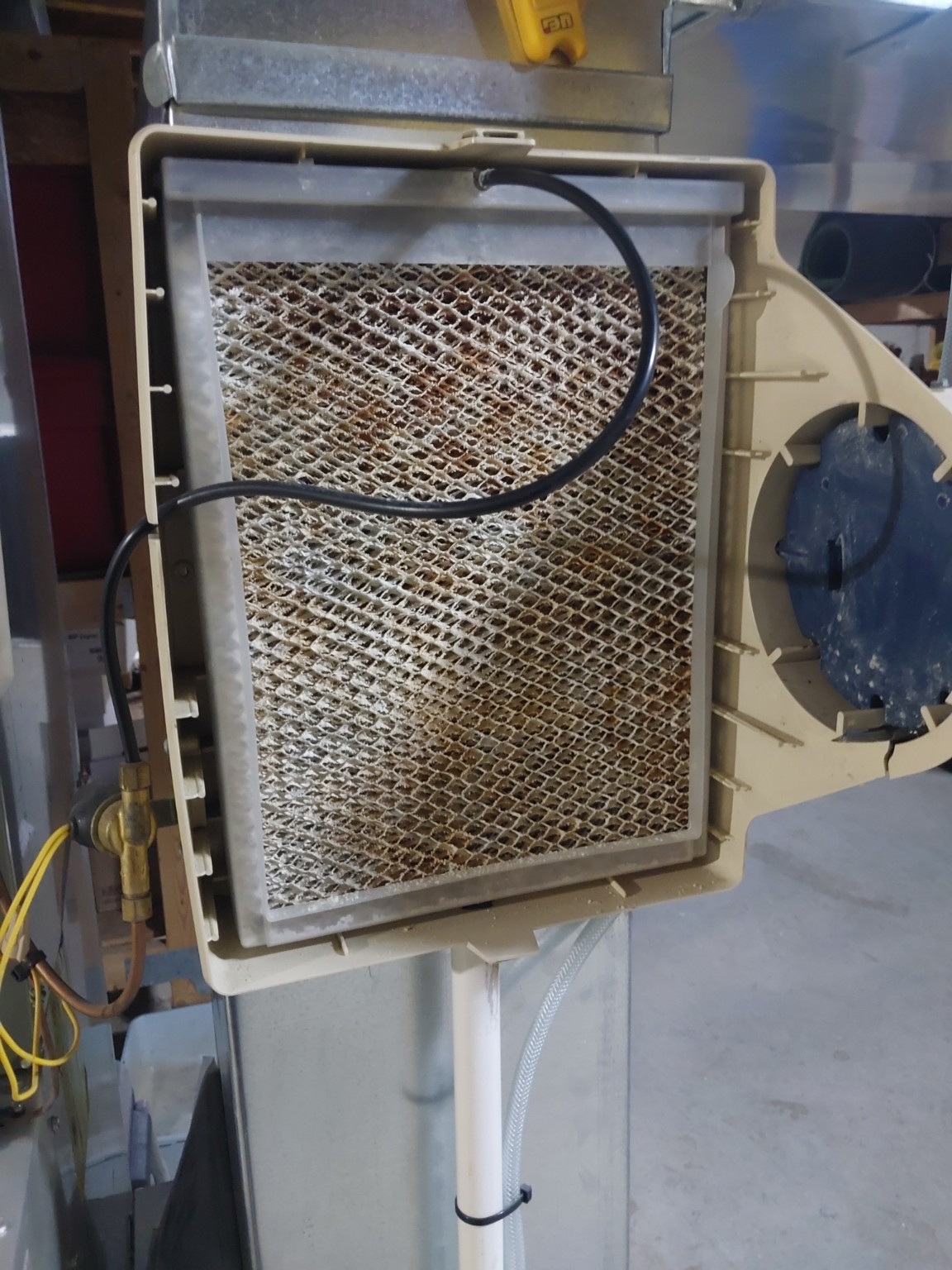
When the heat comes on in Indiana, indoor air can feel noticeably drier. A properly maintained whole-home humidifier may help improve comfort during the heating season, but the equipment needs attention just like your furnace. These photographs from an HHC Heating & Cooling service visit show why preventive maintenance matters.
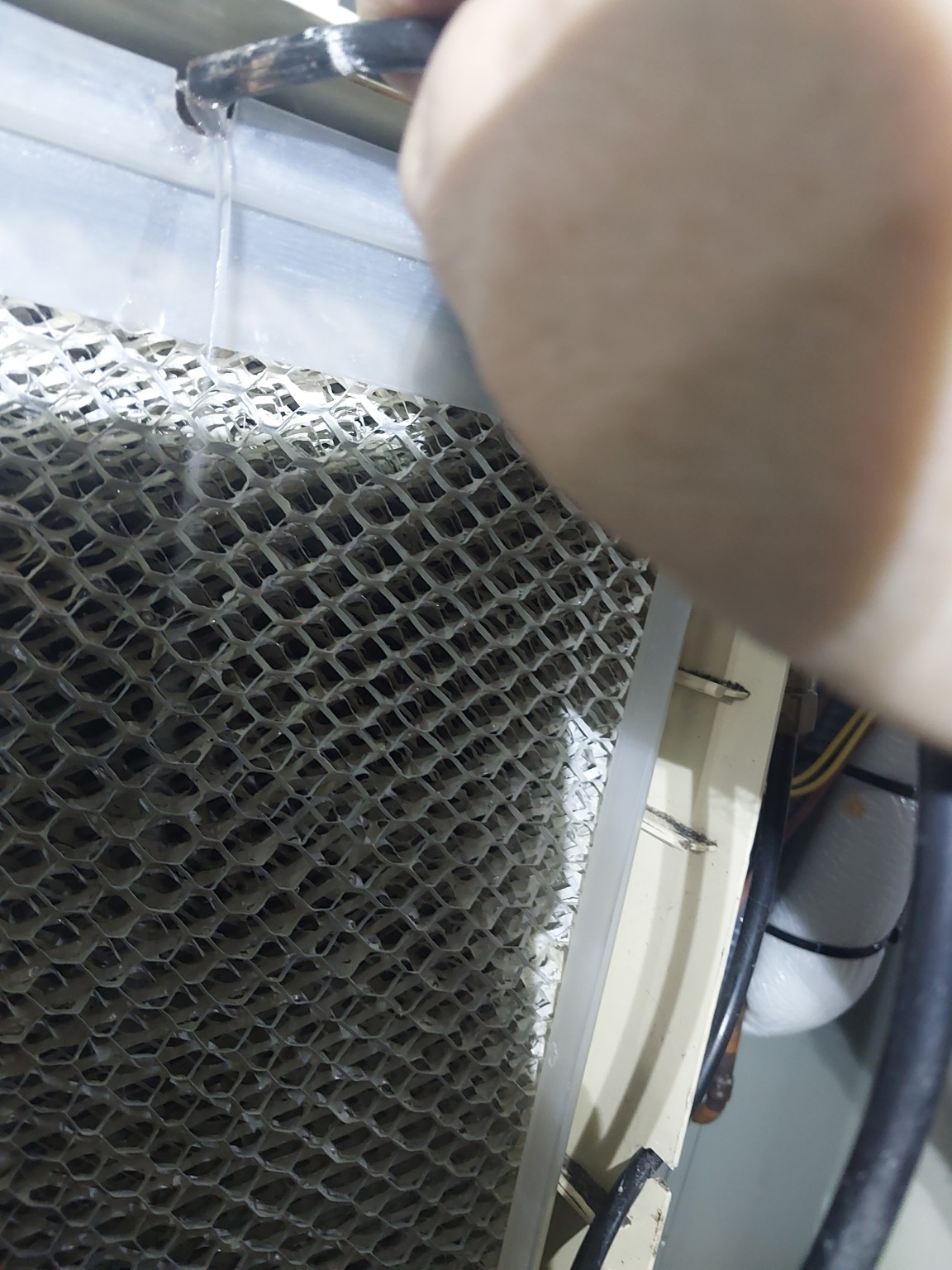
What the service photos reveal. The water panel in this duct-mounted humidifier shows substantial mineral deposits. We also photographed buildup on the water distribution pieces and inside the housing after opening the unit. The photos document equipment inspection and disassembly; they do not by themselves prove a replacement panel was installed or that the finished humidifier passed an operational test.
Why mineral deposits build up. Many flow-through humidifiers pass household water over a replaceable evaporative panel. As water evaporates, dissolved minerals can be left behind. Over time, the deposits can interfere with even water distribution, reduce effective wetting of the panel, and contribute to drainage or maintenance problems.
The water panel is not a furnace air filter. A humidifier water panel is intended to hold and distribute water for evaporation; it is not the same component as the furnace air filter. Replacement frequency depends on the manufacturer’s instructions, water quality, and use. A heavily scaled panel often needs replacement rather than an attempt to restore its performance by washing it.
What a thorough humidifier maintenance visit can include. Depending on the equipment and its condition, a technician can isolate power and water, examine the water panel and distribution tray, remove accessible mineral buildup, inspect the feed tubing and solenoid, check the drain path, reassemble the unit, and verify water flow and controls. Individual steps are confirmed in the service record rather than assumed from pictures.
Why this work matters to your home comfort. A neglected humidifier may produce less moisture than expected or develop drainage issues. Humidity should be controlled, not simply maximized: excessive indoor moisture can cause condensation on windows and other surfaces. Follow your equipment guidance and adjust for outdoor temperatures and visible condensation.
When to schedule service. Have your humidifier checked if you notice heavy white crust on the panel, an unusual water leak, little change in indoor humidity, a blocked-looking drain, or poor performance after the heating season begins. Shut off a leaking unit using its provided controls when safe and arrange service rather than bypassing electrical or water safeguards.
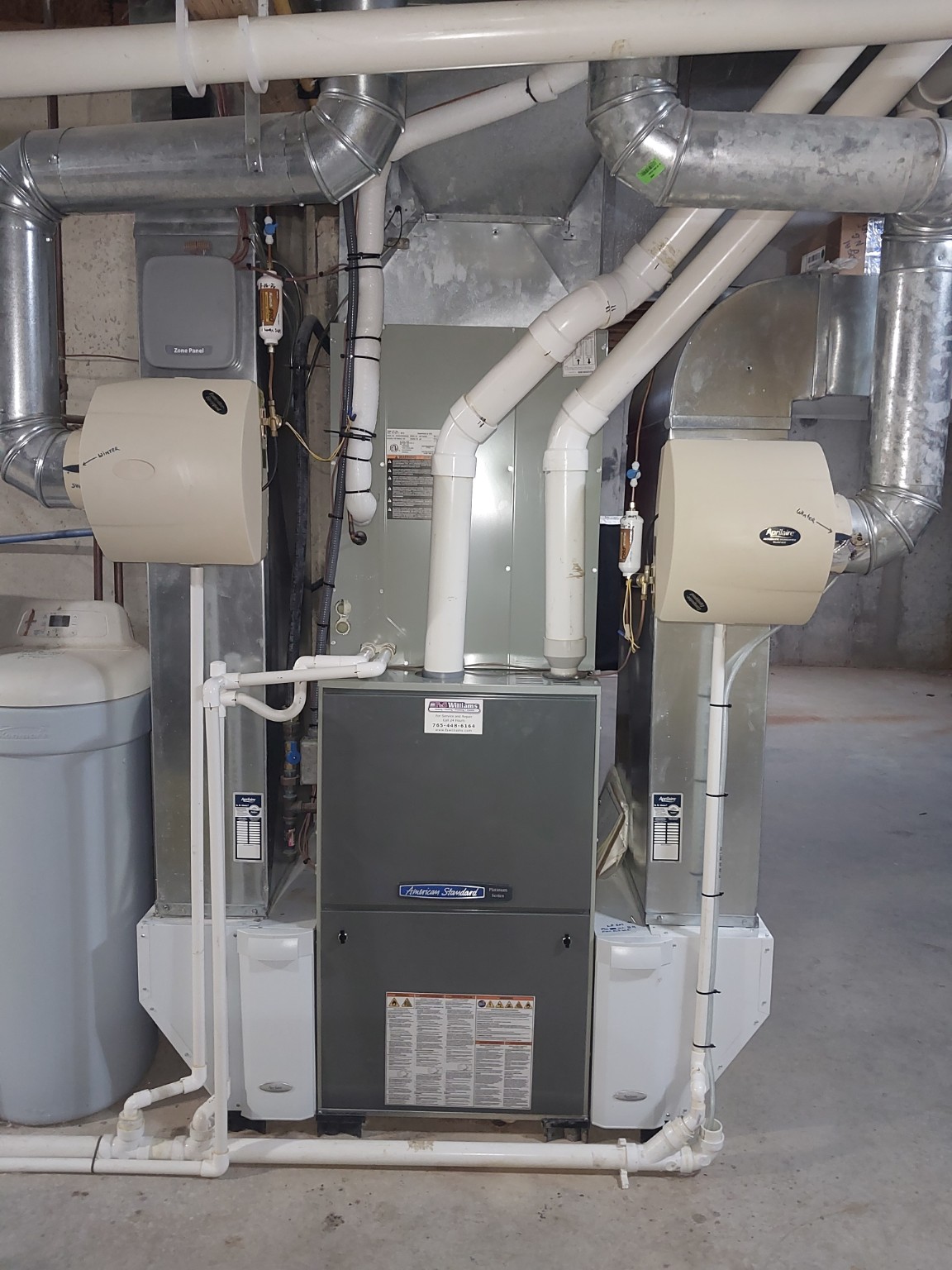
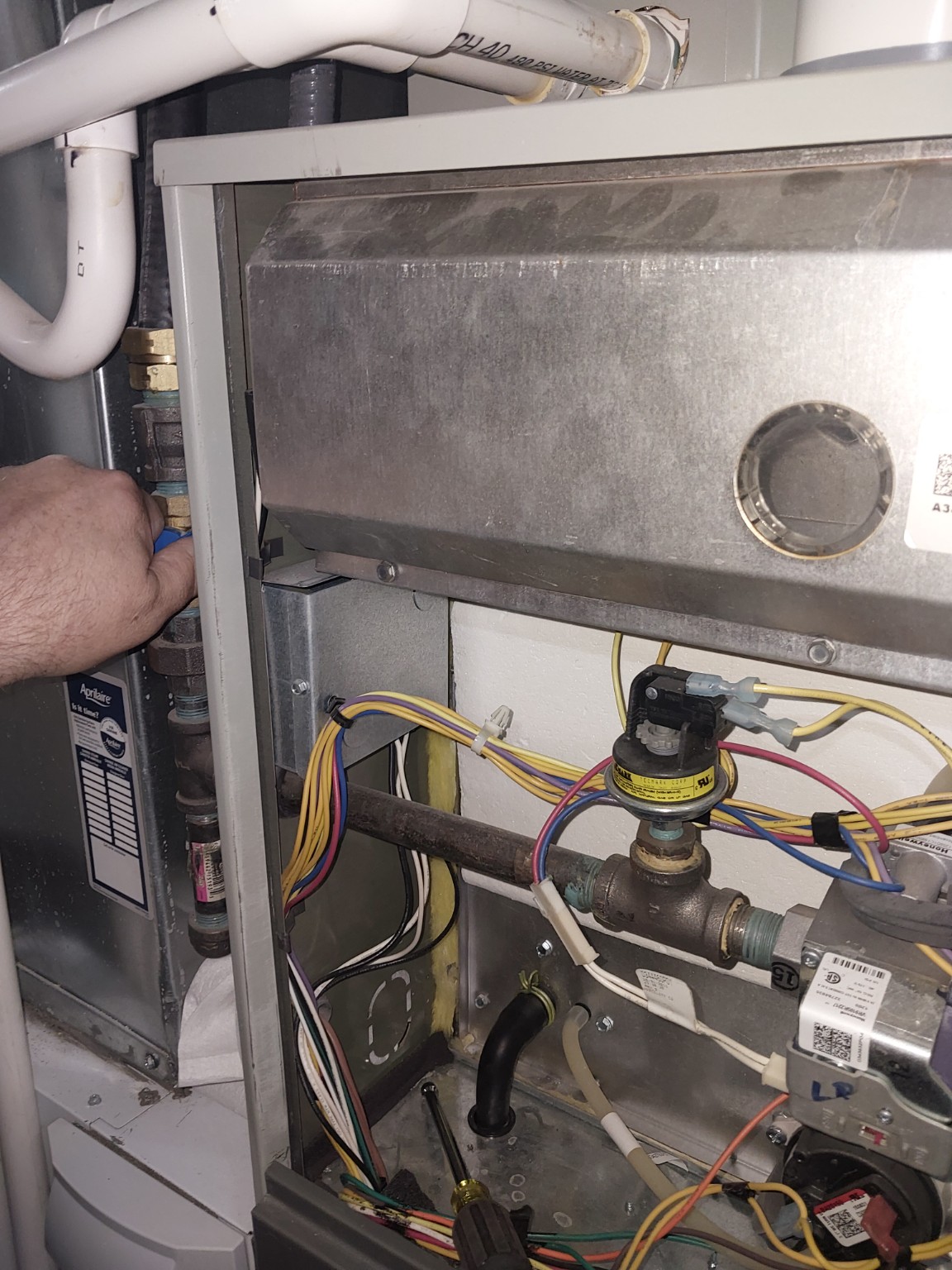
A broader furnace and humidifier inspection. Additional photographs from the same service visit show two duct-mounted Aprilaire humidifiers beside an American Standard furnace, along with duct temperature checks, electrical measurements, a burner viewing window, gas piping, and the humidifier water-panel feed. These photographs illustrate why a humidifier inspection is best considered alongside the furnace and its airflow, water, and safety systems. The photographs do not establish that every pictured component was cleaned, adjusted, repaired, or tested to completion.
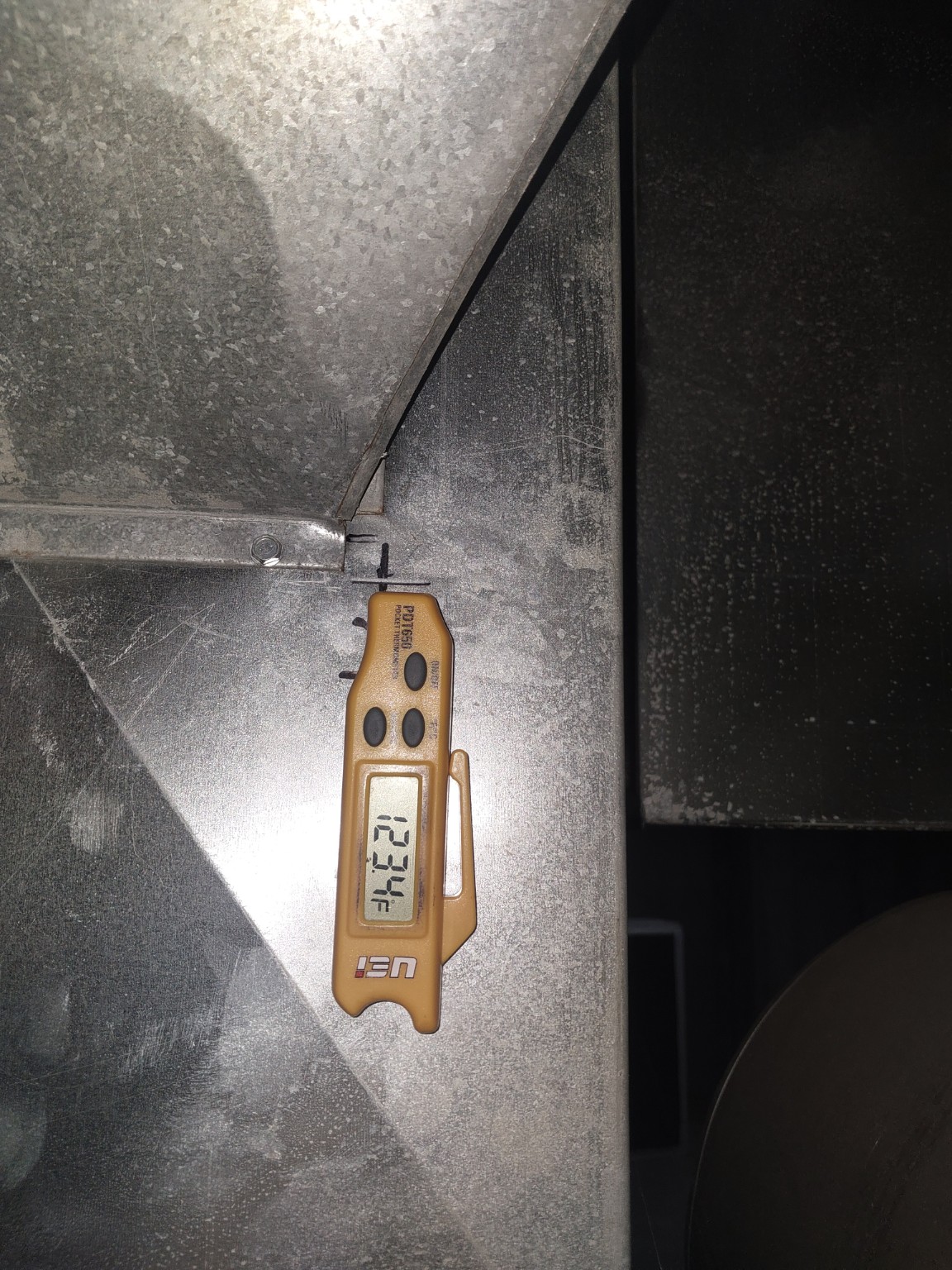
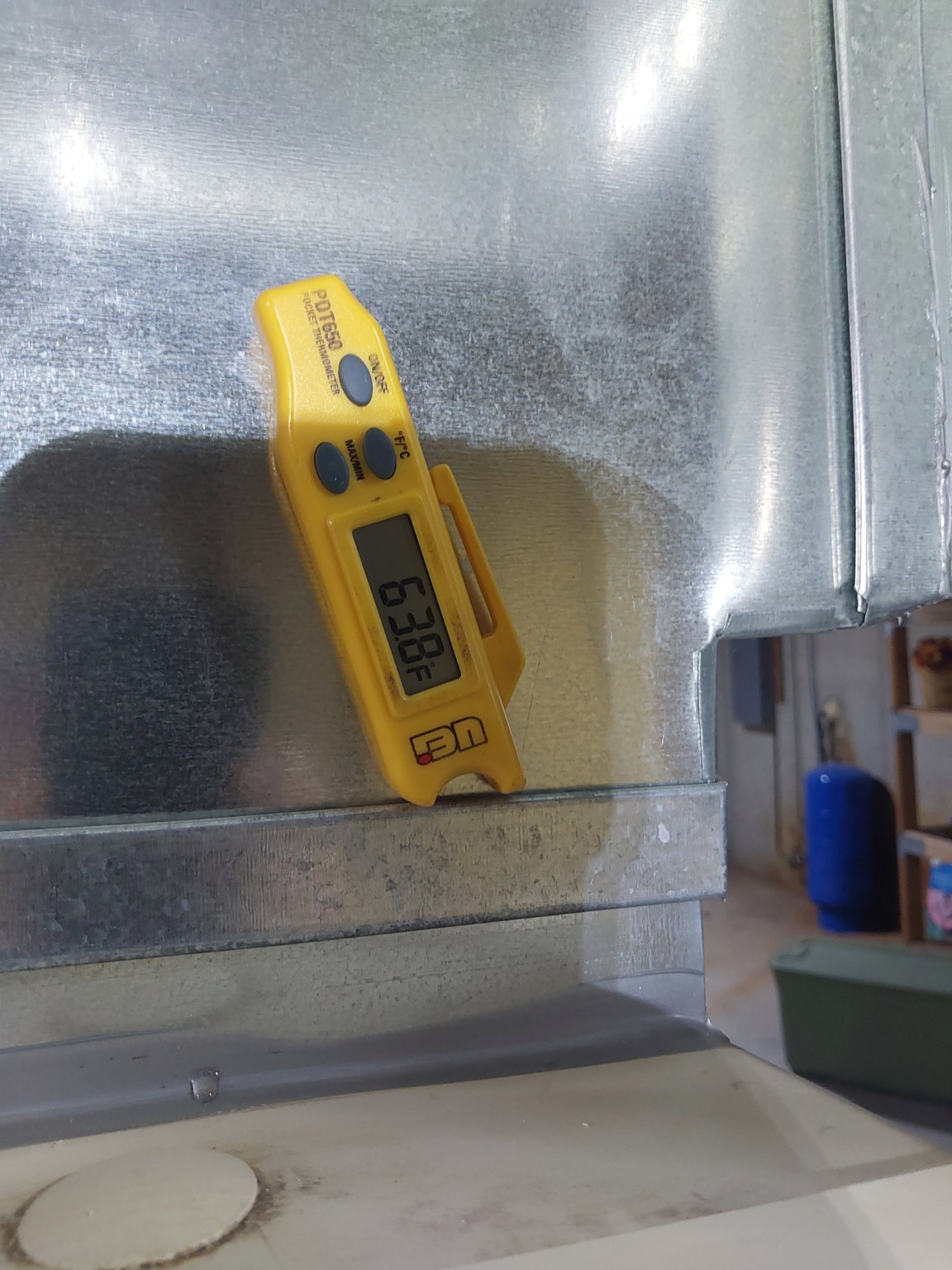
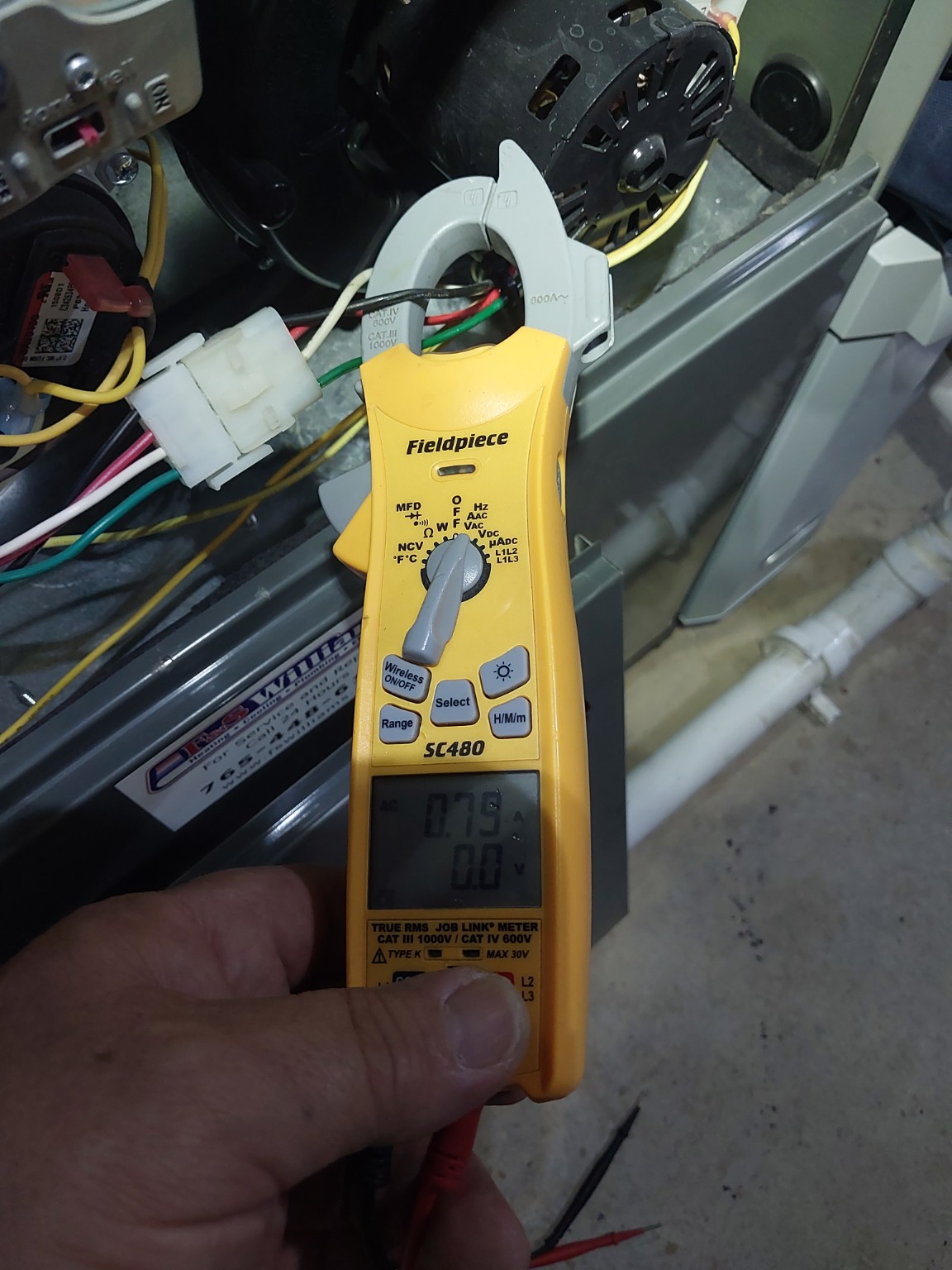
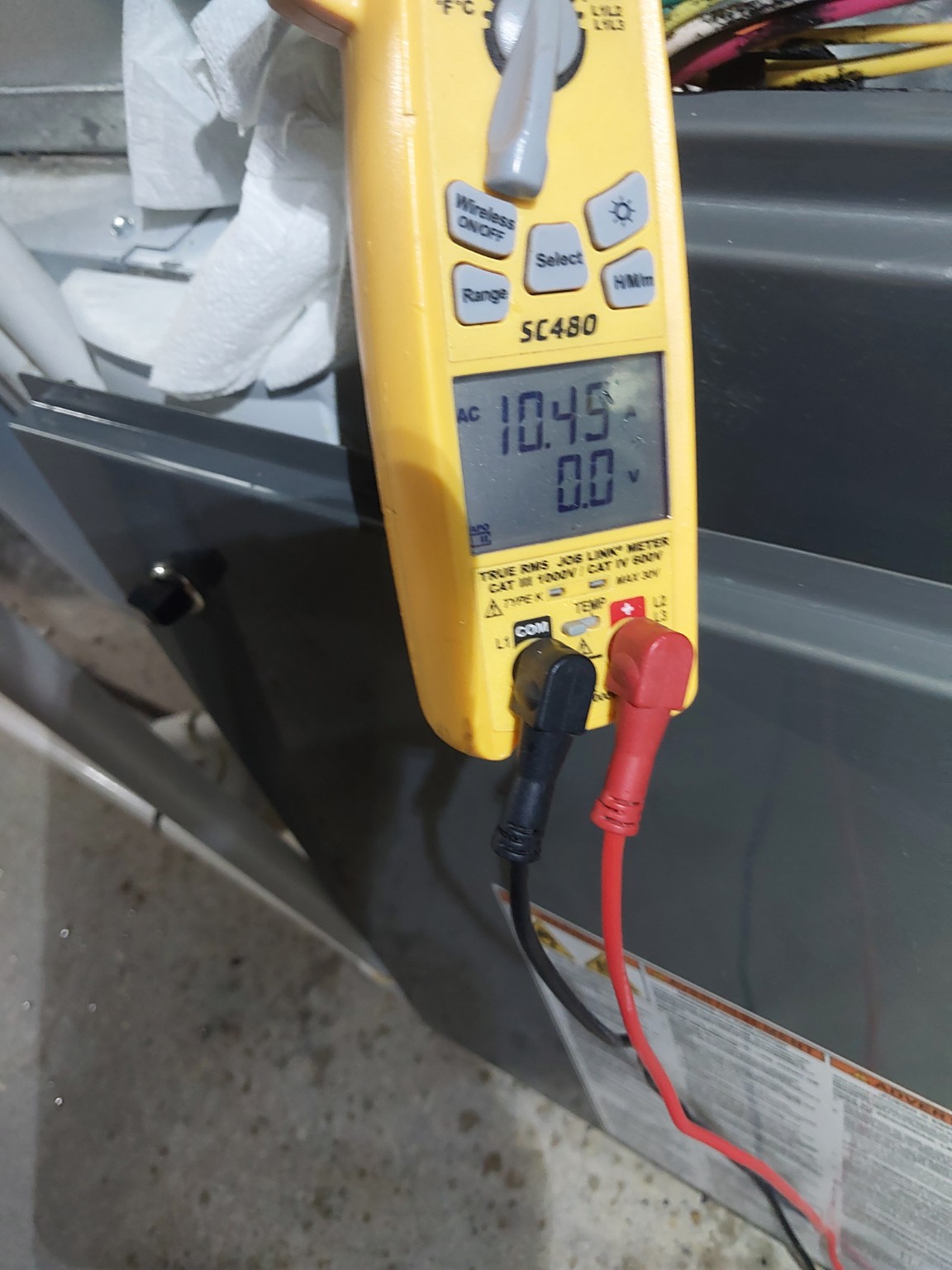
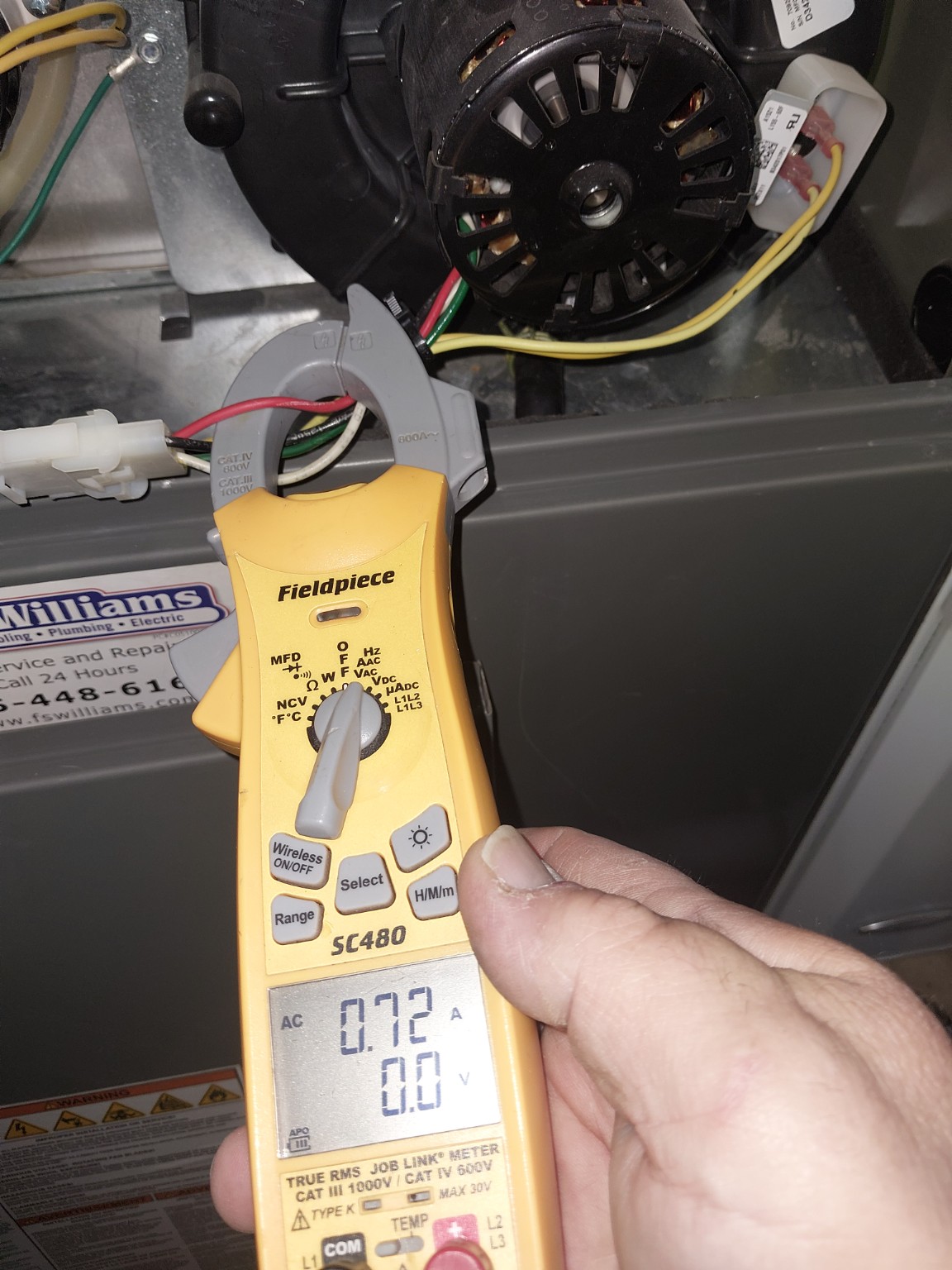
Understanding the measurements. Two pocket-thermometer photographs show approximately 123.4°F and 63.8°F at different duct locations, a difference of 59.6°F. Because the photos alone do not establish stabilized in-air supply and return readings under the same operating conditions, this difference should not be reported as a verified furnace temperature rise. Separate clamp-meter photographs show approximately 0.75 A, 10.45 A, and 0.72 A at different test points. A photograph of an amperage display does not by itself establish a pass/fail result without the motor nameplate, test location, and operating conditions.
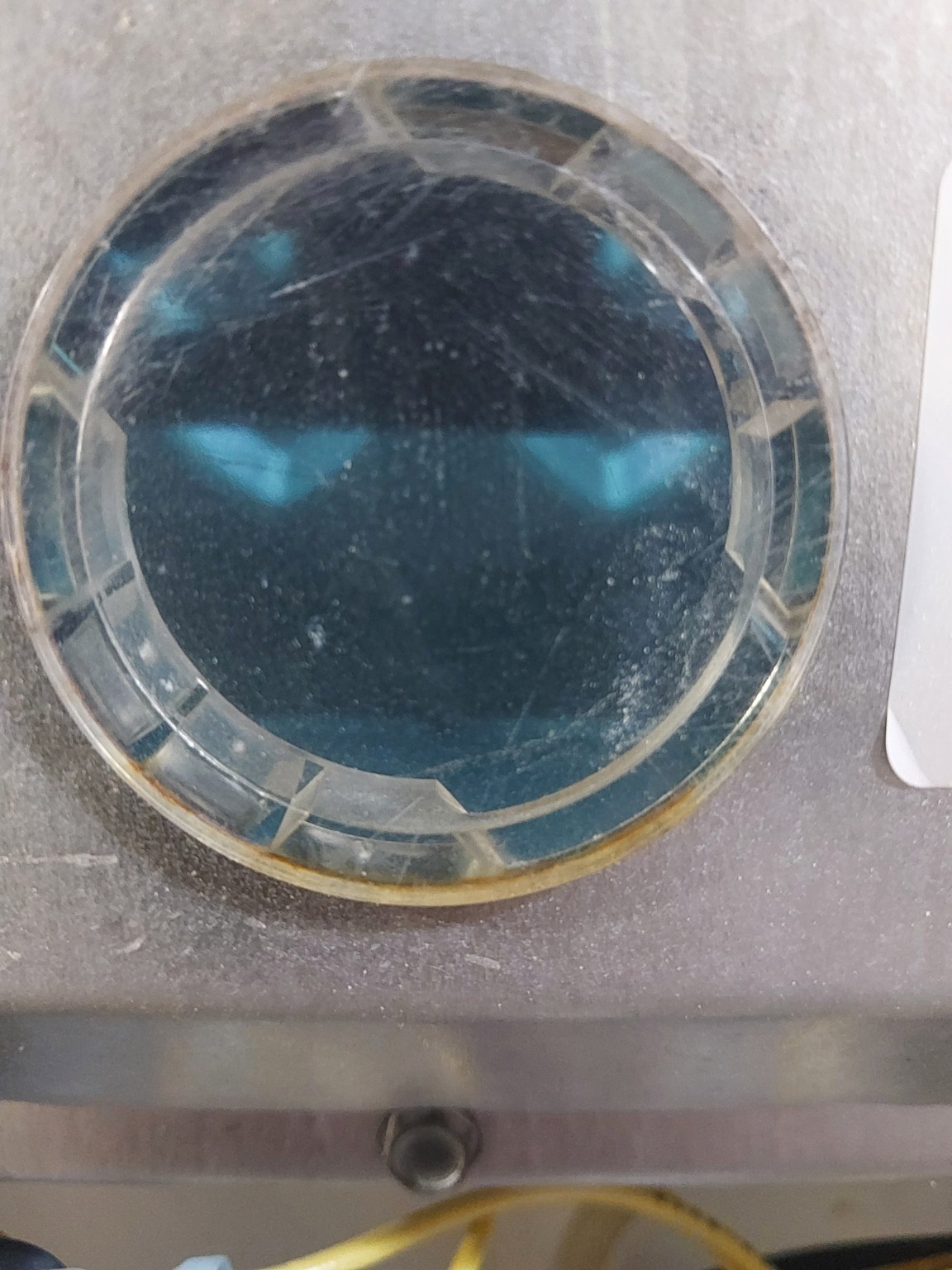
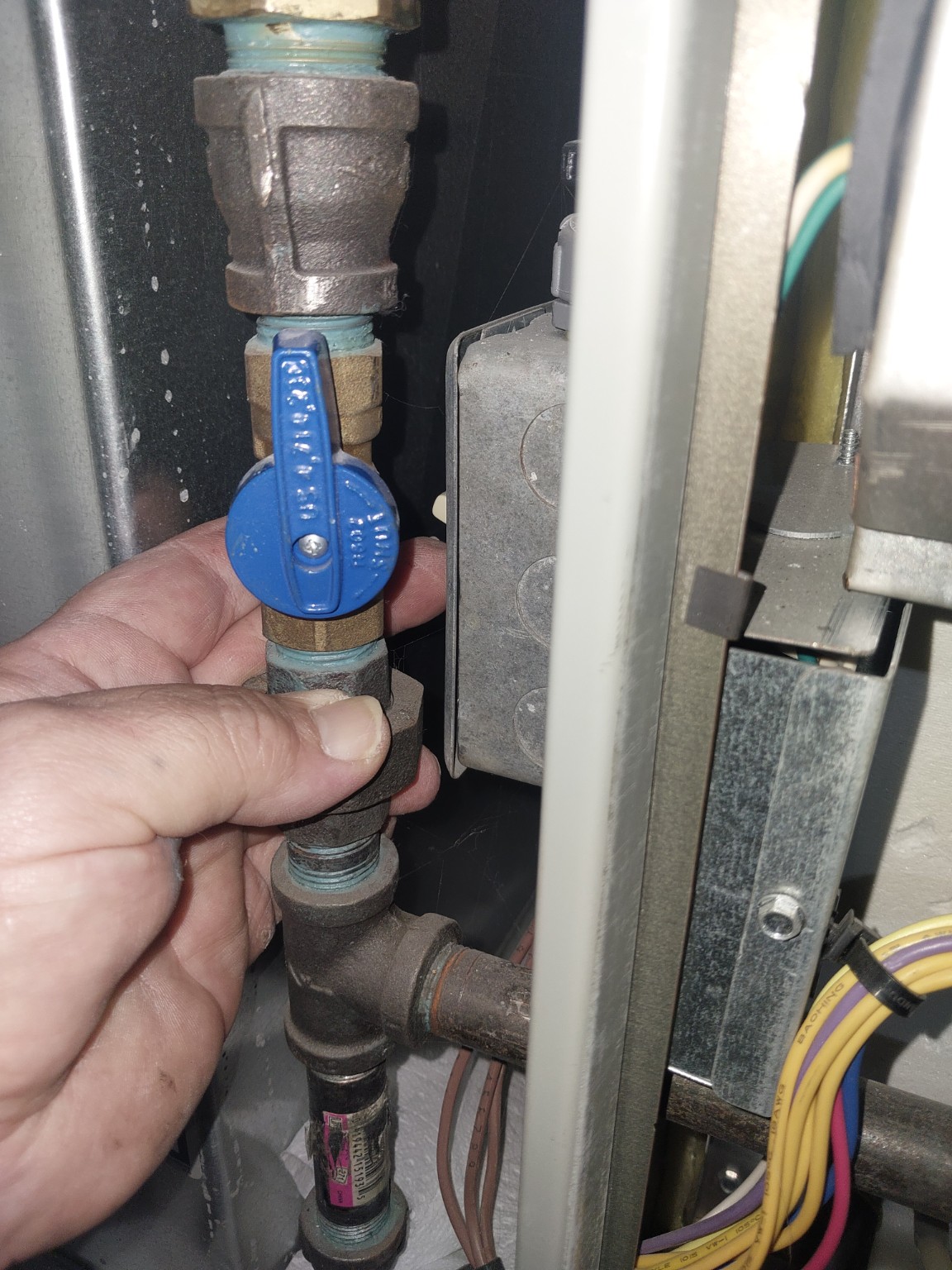
A closer look at the humidifier feed. The additional water-panel photo documents the feed/distribution area; visible wetting alone is not proof that the correct water flow or drain performance was verified. Other close-ups document a burner observation window and accessible gas-side components. Qualified technicians should follow the equipment manufacturers’ procedures for combustion, electrical, water, and gas-safety checks.
Local heating-season help. HHC Heating & Cooling serves Lafayette, West Lafayette, and surrounding communities within approximately 30 minutes. Alongside humidifier maintenance, we can help with furnace service and broader heating and cooling needs. Request HVAC service through the website or call 765-430-2994. Creating Smiles one home at a time.
Real photos from this service visit
The following images document the equipment and readings observed during the visit. They are not a substitute for the completed service record.
For help beyond these tips, explore our heating and cooling services or request an HVAC assessment.
Thanks for reading. Check back with our family for more practical ideas to help care for your home.