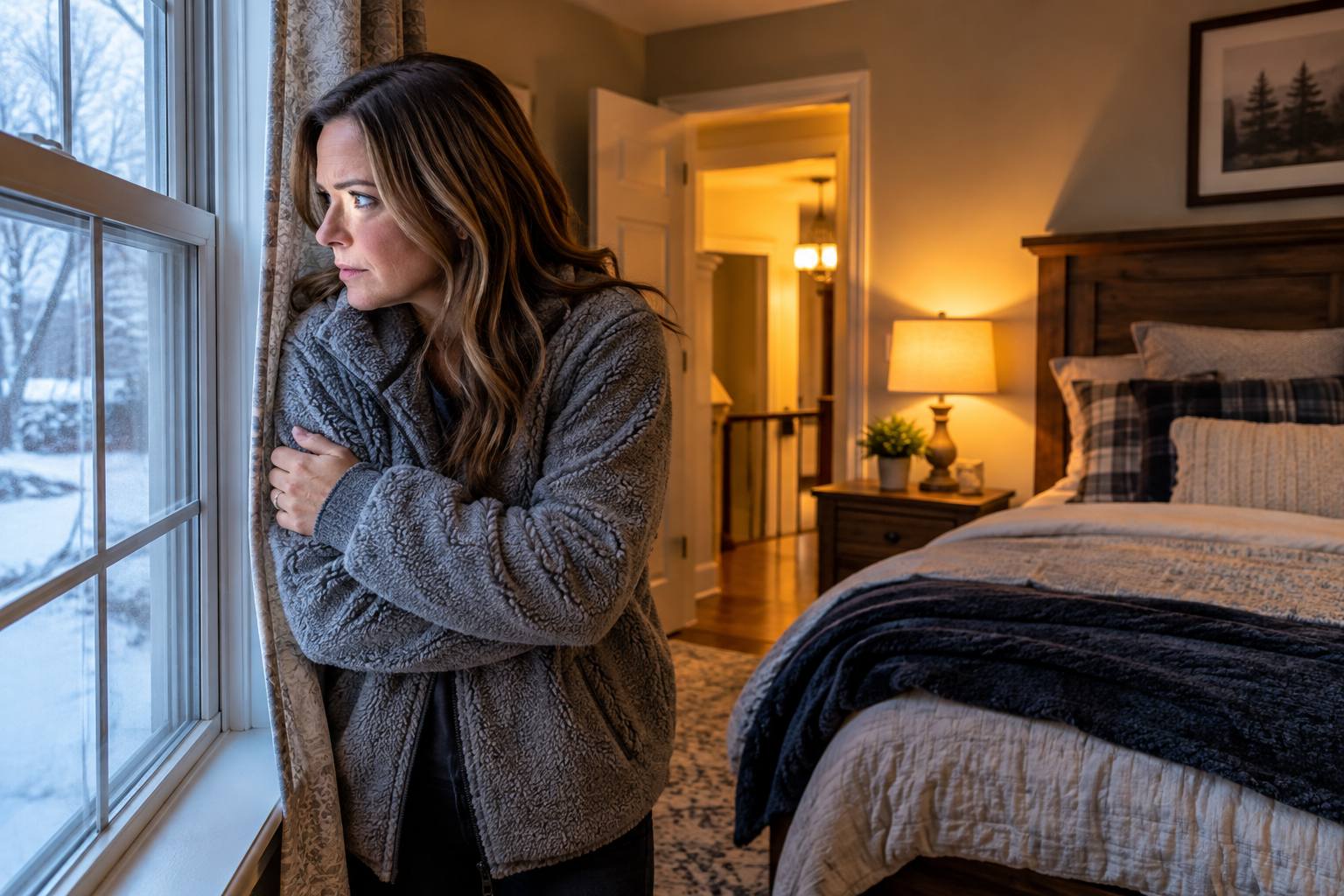
A cold spot near a window does not always mean the window itself is failing. Air can leak around trim, cold glass can make nearby air feel cooler, and curtains or furniture can interfere with warm air circulating through the room. Start by observing where and when the discomfort happens.
On a windy day, carefully feel around the edges of the closed window and trim for moving air. A tissue held near a suspected gap can sometimes help reveal airflow. Keep hands and materials away from open flames and hot surfaces; do not use candles to search for drafts. Check that window locks close the sash snugly and inspect visible weatherstripping for gaps or damage.
For small, accessible gaps, the right weatherstripping or caulk may help, but use products suitable for the material and location. Do not seal weep holes, drainage paths, or required ventilation openings. Condensation between panes, water staining, soft trim, or recurring moisture can indicate a problem that needs further assessment.
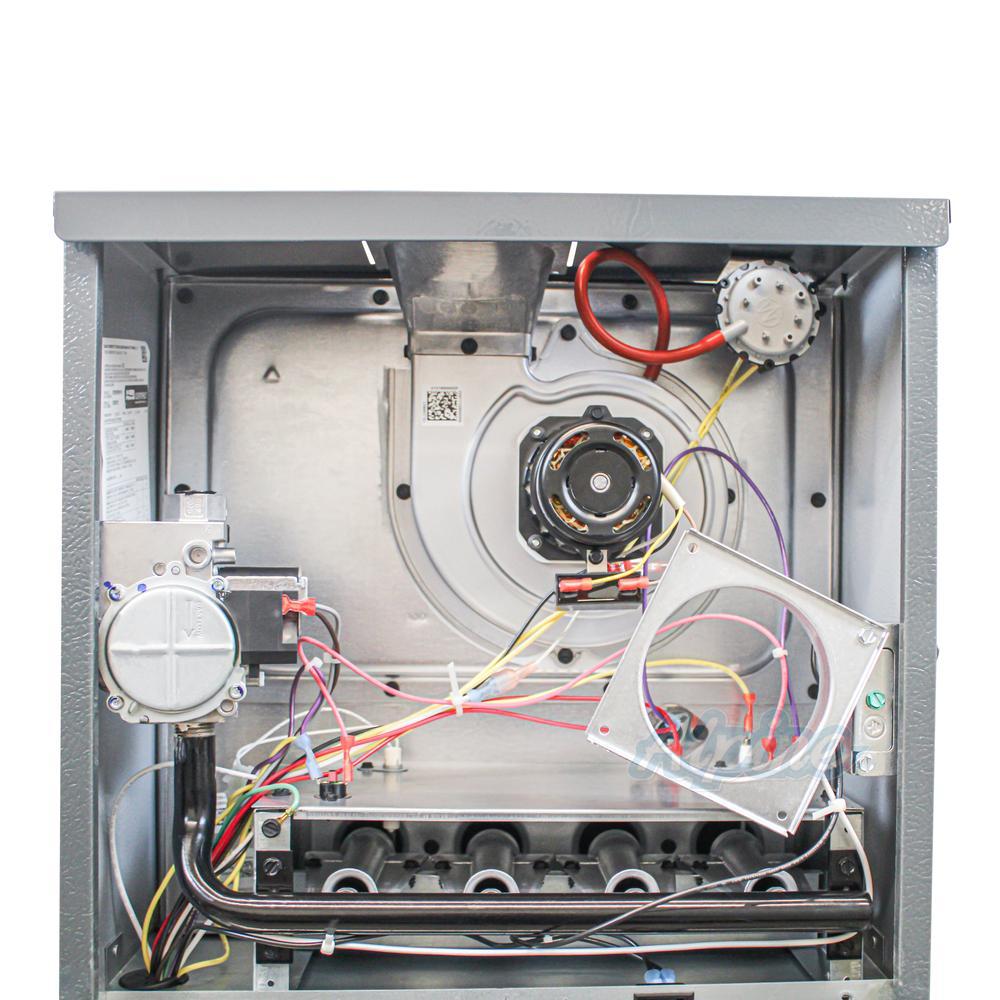
Also check the room itself: confirm supply vents are open, furniture is not blocking airflow, and the HVAC filter is clean and correctly fitted. If one room remains unusually cold or the heating system cannot maintain temperature, a professional can assess airflow and system performance.
Thanks for reading. Check back with our family for more practical ideas to help care for your home.